
Repair, Retrofit, or Replace: Start Here
Before anyone talks fixtures or finishes, the first question is simpler: does the whole system need to go, or does it just need attention? If a handful of lights have gone dim or dark, a few connectors have corroded, or one zone keeps tripping, that's usually a repair job, not an upgrade. If most of the fixtures are original, the wiring is older low-voltage cable, and you're noticing uneven brightness across the yard, that's a different conversation — one about whether to upgrade in place or start fresh.
A good way to sort this out is to walk the property at night and note which fixtures still look sharp and which ones look tired, flickering, or yellowed. That list is the starting point for any real recommendation, and it's exactly what a technician would want to see before quoting anything.
LED Retrofit or Full System Replacement?
Older landscape lighting systems were often built around halogen bulbs, which run hot, burn out faster, and cost more to operate than LED fixtures. If your existing fixture housings are in decent shape, a retrofit — swapping halogen lamps for LED lamps or LED-compatible fixtures — can be a lower-cost way to get better light and lower energy use without digging anything up.
A full replacement makes more sense when the fixture housings themselves are cracked, cloudy, or corroded, or when you want to change the layout entirely — adding uplighting on trees, redoing a path, or lighting a feature that wasn't part of the original design. If you're not sure which category your yard falls into, choosing the right fixtures for your specific property is worth reading before you commit either way.
Can Your Current Transformer and Wiring Handle the Upgrade?
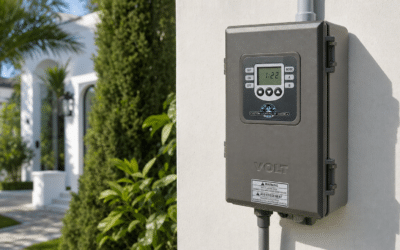
This is the question people skip, and it's the one that causes the most frustration later. Low-voltage systems run off a transformer sized for a specific total wattage. Swap old halogen fixtures for LEDs and the load on that transformer drops — which is fine. But add new fixtures, extend a run, or expand the lighting plan, and you can exceed what the existing transformer and wiring were built to handle.
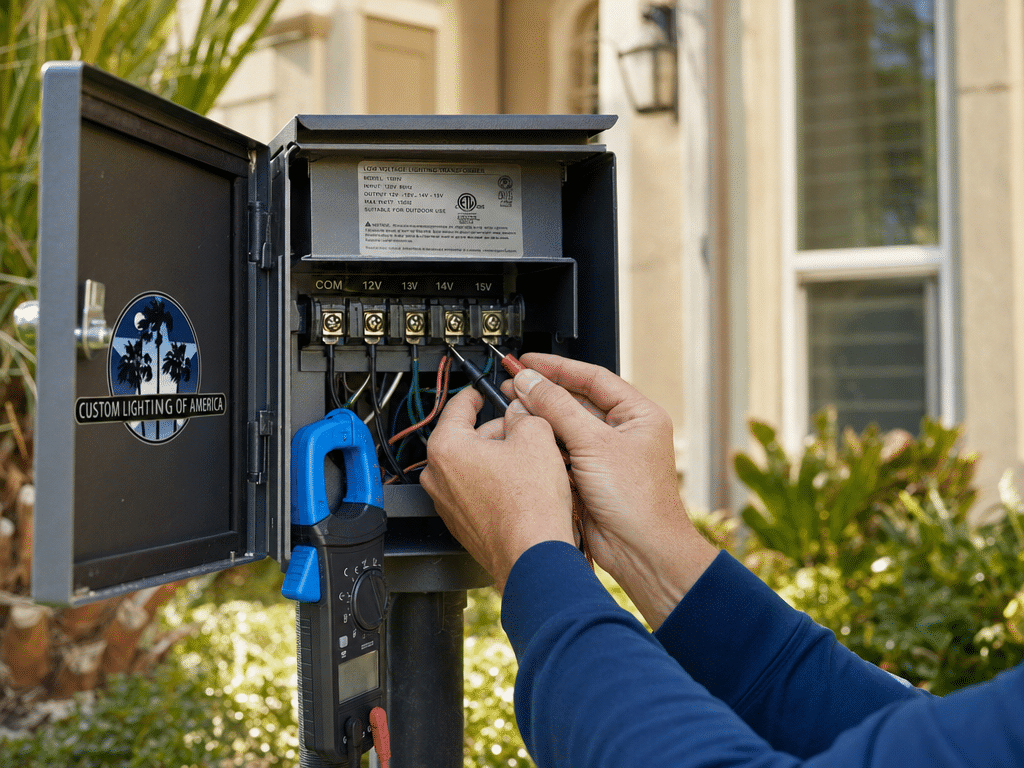
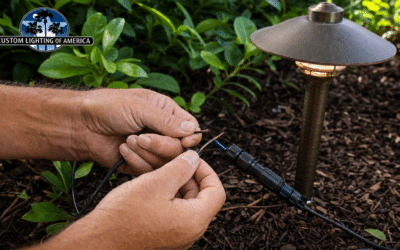
Before you buy a single new fixture, it's worth confirming what your transformer is rated for and what shape the existing wiring is in. Buried low-voltage cable degrades over time, especially at splice points, and an upgrade built on top of failing wiring won't hold up. This is also where a maintenance and upgrade strategy for the whole system earns its keep — it's not just about new fixtures, it's about whether everything feeding them is still sound.
Do You Want More Control Over the System?
Some upgrades aren't about the fixtures at all — they're about how the system is operated. If you're currently flipping a switch by hand or relying on an old mechanical timer, ask whether you want a photocell, an astronomical timer that adjusts automatically with sunset times, or zoned control so different areas of the yard can run on different schedules. This is a reasonable thing to settle before fixtures are chosen, since it can affect how the transformer and wiring are configured.
Are You Upgrading for Light, for Style, or for Both?
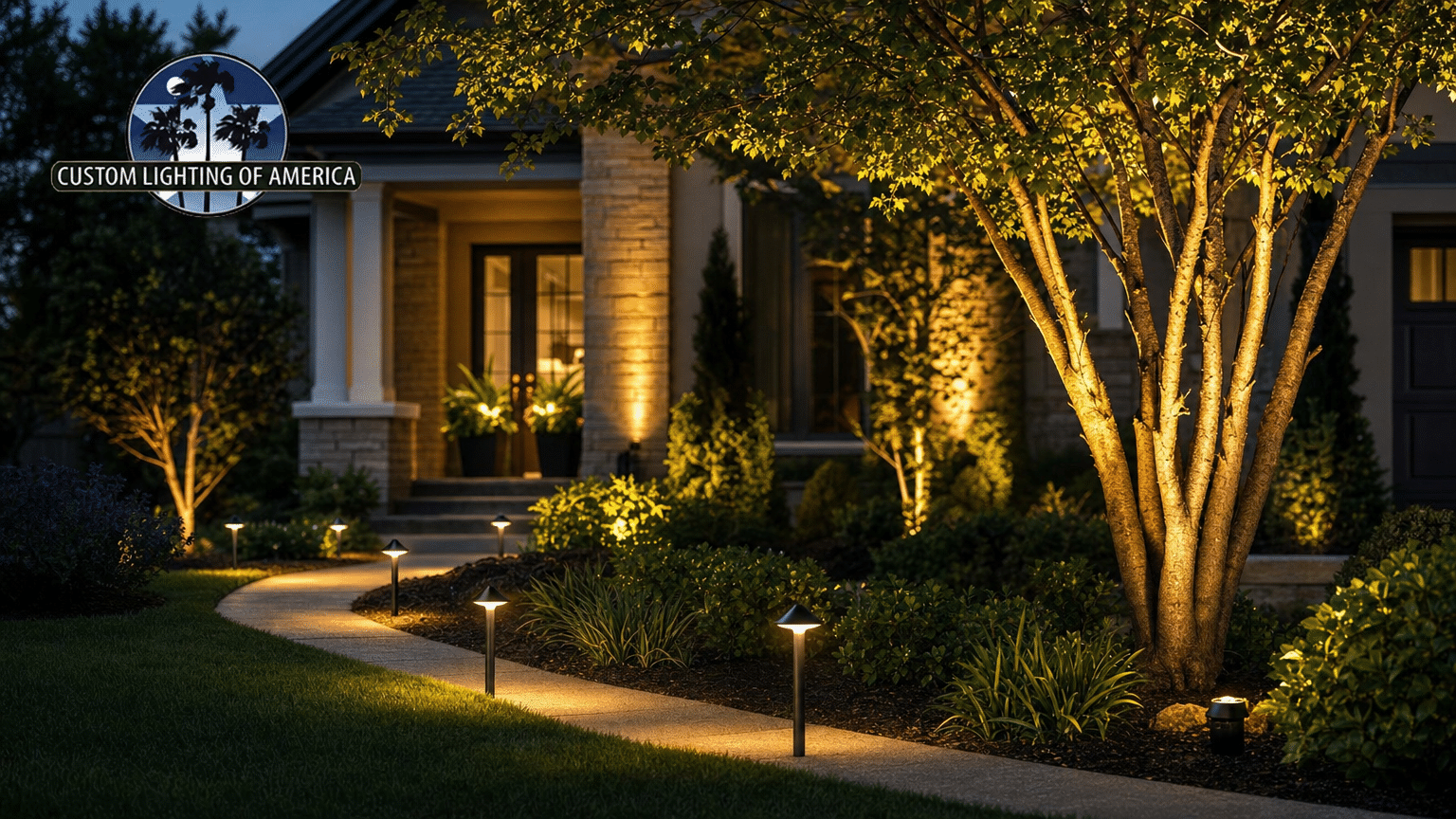
A straight swap — same fixture type, better bulb — solves a light-quality problem. But plenty of upgrades are really about changing the look or the effect: adding silhouette lighting on a tree, shifting from scattered path lights to a defined walkway line, or introducing accent lighting on an architectural feature. If you're after a different look rather than just better performance, it helps to look through common landscape lighting effects first, so you can describe what you want in terms a technician can actually plan around, rather than just saying 'brighter' or 'nicer.'
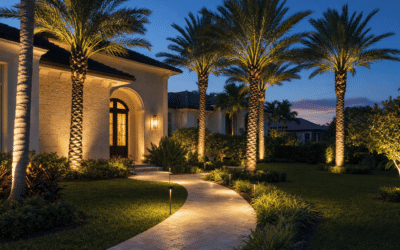
Path and up-lighting changes are some of the most common upgrade requests, since they tend to have the most visible impact for the area they cover. If that's the direction you're leaning, dressing up a walkway or entry with path and up lights is a good next read.
Does Your HOA Have Rules About This?
If your property is in an HOA community, it's worth checking the guidelines before you finalize anything — some associations have requirements around fixture placement, brightness, or light color near shared spaces or property lines. If you're not sure what applies to your situation, it's a question worth raising directly, and our HOA lighting services page covers how that conversation typically goes.
All at Once or in Phases?
Not every upgrade has to happen in one visit. If budget is the constraint rather than the plan, it's reasonable to prioritize: fix the safety and reliability issues first — failing wiring, a maxed-out transformer, dead zones — then phase in style changes like new accent lighting or an expanded path layout over time. A phased approach only works well if the first phase is built on a system that can actually support what comes next, which loops back to the transformer and wiring question above.
What to Bring to the Conversation
When you're ready to talk to someone about an upgrade, the most useful things to have on hand are: how old the current system is (even roughly), what's not working versus what you'd like to change, whether you've noticed flickering or dimming, and what areas of the yard you want to add or redo. If you're still working out what questions even apply to your yard, our landscape lighting questions page covers the ones we hear most often and is a reasonable place to start before any site visit.
Questions and answers
How do I know if my landscape lighting needs a full replacement instead of a repair?
Look at the fixtures themselves, not just the bulbs. Cracked, cloudy, or corroded housings and brittle wiring at the connections are signs the system has reached the end of its useful life. Dim or flickering lights alone are more often a repair or retrofit issue.
Will upgrading to LED fixtures save on energy use?
As a general rule, LED fixtures draw less power than halogen for comparable brightness, which is part of why many upgrades include an LED swap. The actual savings depend on your specific setup, so it's not something we'd put a number on without seeing the system.
Can I upgrade part of my system now and the rest later?
Yes, as long as the part you upgrade first doesn't depend on wiring or a transformer that needs replacing anyway. Starting with the reliability issues and phasing in style changes afterward is a common and sensible approach.
If you're weighing an upgrade and want a straight answer about whether your system needs repair, a retrofit, or a full replacement, get in touch and we'll walk through it with you.